Are AI Influencers Ethical? What You Need to Know

Are AI Influencers Ethical? What You Need to Know
AI influencers are powerful—but they raise ethical questions. Learn about transparency, bias, and the future of AI content in social media.
Introduction: Fascination Meets Caution
AI influencers are captivating audiences with flawless videos, humor, and even emotional storytelling. But behind the excitement, ethical questions are emerging. As digital personas take on a larger role in social media, brands and creators must consider transparency, authenticity, and fairness.
SEO Keywords: AI influencer ethics, virtual influencer transparency, AI content bias, ethical AI marketing
Transparency: Who Are You Really Following?
One of the biggest ethical concerns is whether audiences know they are interacting with AI:
- Some AI influencers are clearly labeled as digital personas.
- Others blur the line, making followers think they’re human.
Transparency builds trust, while deception can damage credibility—for both brands and platforms.
Internal Links:
Suggested Images:
- Split-screen of human vs AI influencer
- Social media post labeled “AI-generated content.”
Authenticity and Emotional Connection
Humans connect with authenticity. AI influencers can simulate emotions, but they don’t actually feel them. This raises questions:
- Can audiences form genuine attachments?
- Are “emotional” endorsements misleading?
Creators must balance engagement with ethical responsibility to prevent misleading audiences.
Internal Links:
Suggested Images:
- Chart showing engagement levels for human vs AI influencers
- Screenshots of AI-generated emotional content
Bias and Representation in AI Influencers
AI algorithms can unintentionally reinforce bias. For instance:
- Limited datasets may favor certain demographics
- Certain visual styles may dominate, reducing diversity
- Misrepresentation of culture or identity can occur
Ensuring diverse design and content datasets helps mitigate these issues and promotes fairness.
Internal Links:
Suggested Images:
- Infographic on AI bias and inclusivity
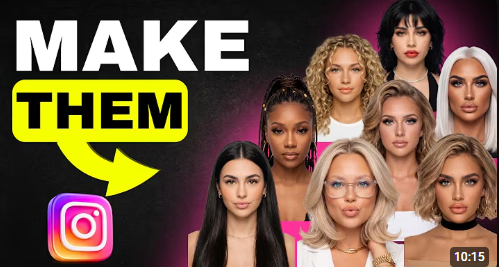
- Example of diverse AI influencer avatars
Advertising and Sponsorship Concerns
AI influencers are monetized through brand partnerships. Ethical questions include:
- Are audiences aware that content is sponsored?
- Could AI-generated recommendations mislead consumers?
- How do copyright and intellectual property rules apply?
Transparency in AI advertising is essential to avoid regulatory or reputational risks.
Internal Links:
Suggested Images:
- Mock-up of sponsored AI influencer post
- Flowchart showing ethical ad disclosure
Future Considerations
As AI influencers become more advanced:
- Platforms may require explicit AI labeling
- Audiences may demand more authenticity
- Brands will need stricter ethical guidelines
Being proactive in addressing these concerns ensures sustainable, trustworthy AI content for years to come.
Conclusion: Ethics Are Key to AI Influence
AI influencers are more than entertainment—they’re shaping digital culture and marketing. But with this power comes responsibility. Transparency, fairness, and honesty aren’t just ethical—they’re strategic. Brands and creators who embrace these principles will build long-term trust in the era of AI.
Internal Links:
- Watch Pixel’s Funniest AI Sketches
- Check Out Ava’s Latest Fashion Video
- Explore Echo AI Music Collaborations





Post Comment